Meningococcal Infection: Recognizing Early Symptoms and Risks
Meningococcal infection is a serious and potentially life-threatening bacterial disease that strikes with alarming speed. Caused by the bacterium Neisseria meningitidis, it can lead to severe conditions like meningitis (inflammation of the membranes surrounding the brain and spinal cord) or sepsis (blood poisoning). The rapid progression of the illness means that early recognition of symptoms and prompt medical intervention are absolutely critical to prevent severe complications, long-term disabilities, or even death. Understanding the signs of a Meningokokken Infektion Symptome can empower individuals and parents to act quickly when every minute counts.
Understanding Meningococci and Their Transmission
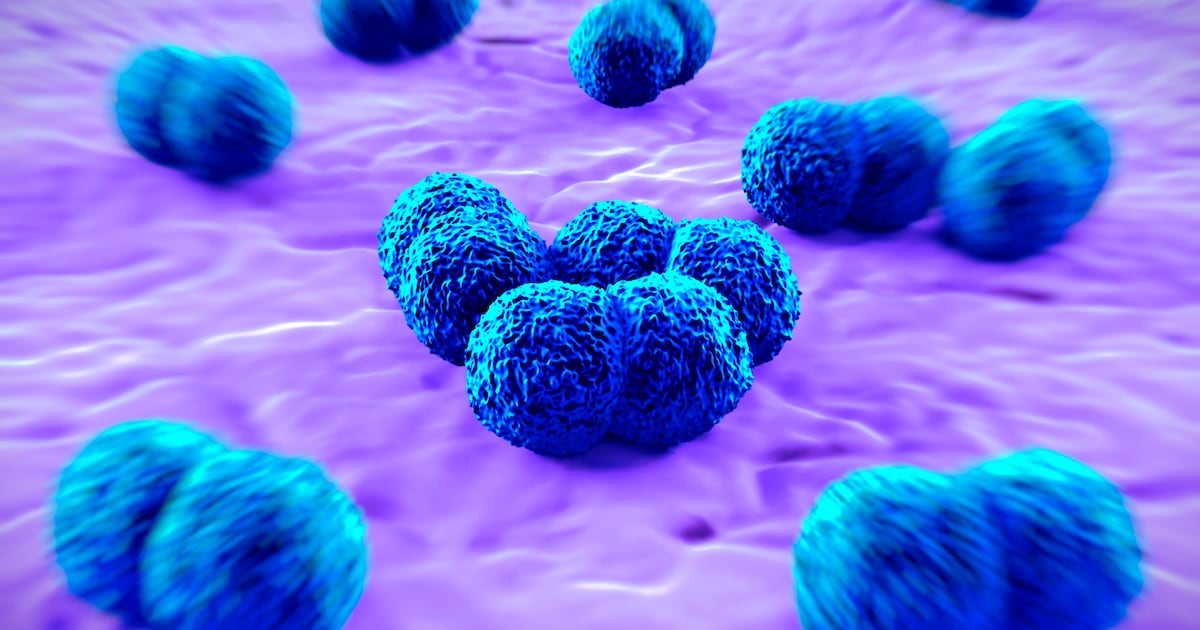
Meningococci are bacteria that commonly reside in the nasopharynx (the upper part of the throat behind the nose) of humans. Interestingly, up to 10% of the population in Germany, and similar percentages worldwide, can carry these bacteria without ever developing symptoms themselves. These individuals, known as asymptomatic carriers, can unknowingly transmit the bacteria to others.
Transmission typically occurs through close, direct contact with respiratory secretions from an infected person or an asymptomatic carrier. This means activities like kissing, sharing drinks, or living in close quarters can facilitate the spread. Dr. Franziska Roth, a senior physician at the Institute for Medical Microbiology and Hygiene at Saarland University Hospital, explains that "Meningococci are very sensitive and usually survive only for a short time outside the body." This fragility means casual contact or airborne transmission over long distances is unlikely; direct and often prolonged contact is usually necessary for infection to occur.
While many carry the bacteria without issue, in rare and not fully understood circumstances, the meningococci can breach the mucosal barrier of the nose and throat. Once they enter the bloodstream, they can rapidly multiply, leading to widespread infection (sepsis) or penetrate the central nervous system, causing meningitis. Dr. Roland Elling, a senior physician for Pediatric Infectiology at the Clinic for General Pediatrics and Adolescent Medicine at the University Hospital Freiburg, notes, "In rare situations, which we do not always understand, this germ breaks through the mucous membrane barrier and penetrates the blood and even the central nervous system." This explains why the disease is relatively rare compared to the prevalence of carriers, but devastating when it does occur.
The Critical Urgency: Why Early Recognition of Meningokokken Infektion Symptome Matters
The hallmark of meningococcal disease is its rapid progression. What might start as a seemingly common illness can escalate into a life-threatening emergency within hours. The two main forms of invasive meningococcal disease are:
- Meningitis (Brain and Spinal Cord Inflammation): This is an infection of the protective membranes surrounding the brain and spinal cord. Symptoms can include severe headache, fever, neck stiffness, photophobia (sensitivity to light), confusion, and sometimes seizures. For infants, symptoms can be less specific.
- Sepsis (Blood Poisoning), also known as Meningococcemia: This occurs when the bacteria invade the bloodstream and multiply uncontrollably, releasing toxins that damage blood vessels and organs throughout the body. Sepsis can lead to widespread internal bleeding, organ failure, and a characteristic rash.
Because the disease can worsen so quickly, delaying medical attention can have severe consequences. Survivors may face long-term complications such as brain damage, hearing loss, kidney disease, limb amputation (due to severe sepsis), or learning disabilities. Therefore, understanding and recognizing the Meningokokken Infektion Symptome is not just important; it's a matter of life and death.
Recognizing the Early Signs: Key Meningokokken Infektion Symptome
Recognizing the early signs of a meningococcal infection can be challenging because initial symptoms often resemble those of a common cold or flu. However, it's the rapid deterioration and the appearance of specific symptoms that should raise immediate alarm.
Symptoms in Infants and Young Children:
In very young children, especially infants, symptoms can be non-specific and difficult to interpret. Parents should look for:
- High-pitched cry or moaning
- Irritability or unusual sleepiness
- Poor feeding or refusal to feed
- Fever (though sometimes the child may feel cold)
- Vomiting
- Pale or blotchy skin
- A bulging soft spot (fontanelle) on the head
- Floppy or unresponsive body
- Stiff body or jerky movements
- Refusal to be picked up or held
Symptoms in Older Children, Teenagers, and Adults:
As the infection progresses, older individuals typically experience:
- Sudden high fever
- Severe headache
- Stiff neck
- Sensitivity to light (photophobia)
- Confusion or altered mental state
- Nausea and vomiting
- Joint and muscle pain
- Cold hands and feet
- Shivering
The Crucial Symptom: The Non-Blanching Rash
One of the most distinctive and alarming signs of meningococcal sepsis is the development of a rash. This rash often starts as tiny, pinprick-like red or purple spots (petechiae) and can rapidly progress to larger, bruise-like blotches (purpura). What makes this rash particularly concerning is its "non-blanching" nature. This means that if you press a glass against the rash, the spots will not fade or disappear, unlike many other common rashes.
Actionable Tip: The Glass Test
If you suspect meningococcal disease and observe a rash, perform the "glass test" immediately. Press the side of a clear drinking glass firmly against the rash. If the spots do not fade under the pressure, seek emergency medical help without delay. This non-blanching rash indicates bleeding under the skin, a serious sign of sepsis.
Always Trust Your Instincts: If you are concerned about a child or adult who is rapidly deteriorating or presents with a combination of these symptoms, even if not all are present, do not hesitate to seek immediate medical attention. Time is of the essence. Inform medical staff about your concern for meningococcal disease.
Who is at Highest Risk for Meningococcal Infection?
While anyone can contract meningococcal disease, certain groups are at a higher risk:
- Infants and Young Children: Especially those under one year of age, due to their developing immune systems.
- Teenagers and Young Adults: Particularly those living in close quarters such as university dormitories, military barracks, or crowded residential settings.
- Individuals with Certain Immune Deficiencies: This includes people with conditions that compromise their immune system, such as HIV, or those who have undergone a splenectomy (removal of the spleen).
- Travelers: To regions where meningococcal disease is more common or during outbreaks.
- Close Contacts: Of a person who has recently had meningococcal disease.
Serogroups and Vaccination: Your Best Defense
Meningococci are categorized into twelve different serogroups, with serogroups A, B, C, W, X, and Y being the most common causes of invasive disease globally. In Germany, according to the Robert Koch Institute (RKI), serogroup B accounts for approximately 60% of meningococcal infections, followed by serogroup Y (around 20%), and then W and C (each about 10%). Other serogroups are rarely observed.
Vaccination is the most effective way to protect against meningococcal disease. The Standing Committee on Vaccination (STIKO) in Germany recommends specific vaccinations:
- Meningococcal C vaccine: Recommended for all children at 12 months of age.
- Meningococcal B vaccine: Recommended for all infants starting from 2 months of age, with catch-up vaccinations recommended until the fifth birthday. The costs for these vaccinations are typically covered by statutory health insurance in Germany.
- Meningococcal ACWY vaccine: Recommended for certain risk groups, such as individuals with compromised immune systems, and before stays in countries with a higher risk of infection.
It's crucial to discuss vaccination schedules and options with your pediatrician or general practitioner, especially if you belong to a high-risk group or are planning international travel. For a deeper dive into preventive measures and vaccination details, please read our comprehensive article on Meningococcal Disease: Prevention, Risk Groups, and Vaccination. To further understand the different types of meningococci and their implications, explore our Meningococcal Guide: Symptoms, Serogroups & Vaccination Facts.
Diagnosis and Treatment
If meningococcal disease is suspected, medical professionals will typically perform diagnostic tests such as blood cultures and a lumbar puncture (spinal tap) to analyze cerebrospinal fluid. However, due to the rapid progression of the disease, treatment with antibiotics often begins immediately, even before laboratory confirmation. Early administration of appropriate antibiotics is vital to combat the infection and improve outcomes. Supportive care, including intravenous fluids and medication to manage symptoms, is also a critical part of treatment.
Conclusion
Meningococcal infection is a severe and rapidly progressing disease that demands immediate attention. While it can be daunting to consider such a serious illness, understanding the key Meningokokken Infektion Symptome – particularly the sudden onset of fever, severe headache, stiff neck, and the critical non-blanching rash – empowers you to act decisively. Vaccination offers the best defense, especially for infants and young children, but vigilance and prompt medical intervention remain paramount. If you ever suspect meningococcal disease, do not delay; seek emergency medical care immediately. Your quick action could save a life.